
Marjorie Archila brings primary care to remote communities in Peru
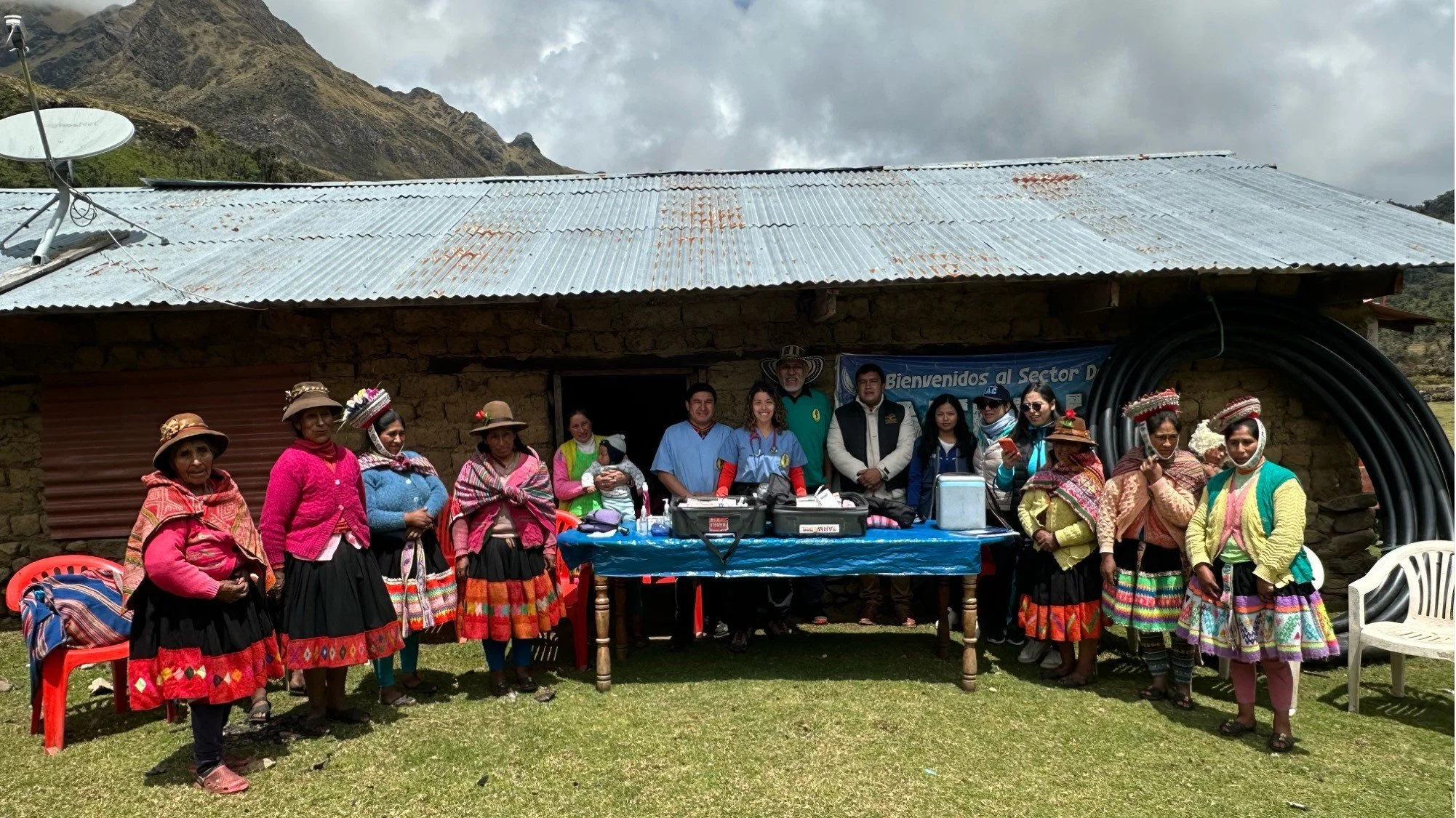
Marjorie Archila served indigenous communities in the rural and mountain settings of Peru’s Cusco region.
Marjorie Archila came to the Megan Rand Scholarship with a clear sense of who she hoped to serve. Long before PA school, she understood that health does not begin at the clinic door. It is shaped by language, geography, culture, and whether people can realistically reach the care they need. The scholarship gave her a chance to test that understanding in a new setting and return with a deeper sense of purpose.
The spark she needed
Marjorie first learned about the scholarship through Emily Medina, a previous recipient whose experience in Nicaragua made a lasting impression on her. At the time, Marjorie was in the middle of PA school and carrying the emotional weight that often comes with rigorous training and the constant pressure to keep going. When Jenny (Rand) Smith spoke to her class about Megan’s life and the scholarship, the opportunity arrived at exactly the right moment.
Marjorie had been deeply involved in Justice, Equity, Diversity and Inclusion (JEDI) work as a student leader, and she saw the scholarship as a way to reconnect her medical education with the values that had first drawn her to healthcare. “I needed a spark,” she said. “The more I learned, the more I realized this was it.”
Into Peru
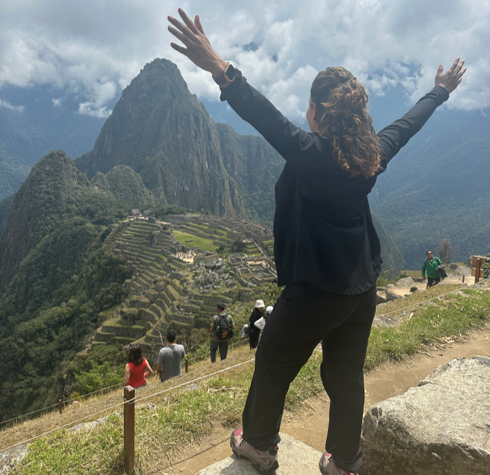
The beautiful Peru countryside also meant steep terrain and long travel times for some patients.
Marjorie’s rotation took her to Peru, where she served in rural and mountain communities in the Cusco region, including Lares, Choquecancha, Yanatile, and nearby areas. The setting felt meaningful to her immediately. While Peru was new to her, the Indigenous communities, language barriers, and geographic isolation reminded her of the parts of Guatemala where she had spent childhood summers with her grandparents.
Those early experiences had shaped her long before PA school. Marjorie’s family is from Guatemala, and as a child she saw how remote communities could lose loved ones to treatable illnesses simply because care was too far away or too difficult to reach in time. In Peru, she encountered similar realities: steep terrain, long travel times, limited transportation, and communities where follow-up care, pharmacies, and even routine appointments could require hours of travel.
Practicing medicine across barriers
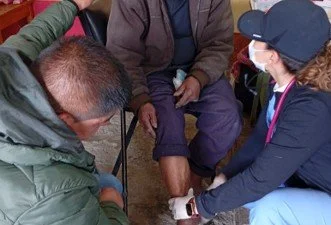
Providing care was often challenging due to cultural and language barriers.
Marjorie’s team was small: an attending physician, a Quechua interpreter, and Marjorie herself. Together, they carried supplies, medications, and clinical services directly into the communities they served. In those settings, medicine depended less on technology and more on close listening, careful physical exam skills, and the ability to make sound decisions with limited tools.
She also had to navigate barriers that went beyond distance alone. Some patients spoke little or no Spanish, many had gone long periods without medical care, and some brought health beliefs shaped by tradition, mistrust, or long-standing distance from formal systems of care. Marjorie described the work as a constant effort to meet patients where they were, respect cultural context, and explain next steps in a way families could carry forward after the clinic ended.
Doing what was possible
Some of the hardest moments came when patients arrived with chronic conditions that required imaging, testing, or specialist follow-up that simply was not available on site. In those moments, Marjorie focused on what could be done right away: addressing urgent concerns, writing down clear instructions, coordinating with local contacts, and helping arrange transportation and follow-up whenever possible. As Marjorie saw it, even when she could not solve everything right away, she could reduce barriers and make the next steps more possible.
One moment that stayed with Marjorie involved a group of children from a nearby school who came to the clinic with the same upper respiratory symptoms. She later learned that many of them were walking hours to school in the rain and cold, arriving drenched and staying that way through the day before making the long trip home again. For her, it was a powerful reminder that health is shaped not only by disease, but by the everyday conditions people endure to access education, work, and opportunity.
Culture, trust, and purpose
Beyond the clinics, Marjorie was welcomed into community life in ways that stayed with her. She attended local celebrations, spent time with community members outside of medical visits, and saw how trust is built through presence, respect, and active interest in people’s lives. She would later describe this as one of the most meaningful parts of the rotation: learning that good care requires understanding a community’s strengths as much as its medical needs.
“This experience strengthened my commitment to underserved care, sharpened my adaptability in low-resource settings, and reminded me that medicine is deeply human work.”
Marjorie Archila, MPAS, PA-C
For Marjorie, the experience also confirmed something deeply personal. She had grown up receiving care in community health centers and knew how much it mattered when a provider understood a patient’s language, circumstances, and barriers. Peru brought those experiences together and clarified the kind of PA she wanted to become: one who practices with cultural humility, creativity, and a lasting commitment to underserved communities.
Returning with clarity
Today, Marjorie Archila, MPAS, PA-C, is beginning her career in family medicine at a community health center in Washington, D.C., serving predominantly Latino and African American patients. She sees a direct line between Peru and the work she is doing now, helping patients navigate insurance barriers, medication access, language differences, and the many realities that affect health beyond a diagnosis.
Looking back, Marjorie describes receiving the scholarship as one of the highlights of her PA education and a pivotal part of the clinician she is becoming. Her advice to future applicants is simple: be open-minded, expect to be challenged, and fully immerse yourself in the community. The medicine may be familiar, but the way people access care, and the way they need to be heard, can be very different.