
Anna Metzger provides care in Spiti Valley, where distance shapes every decision
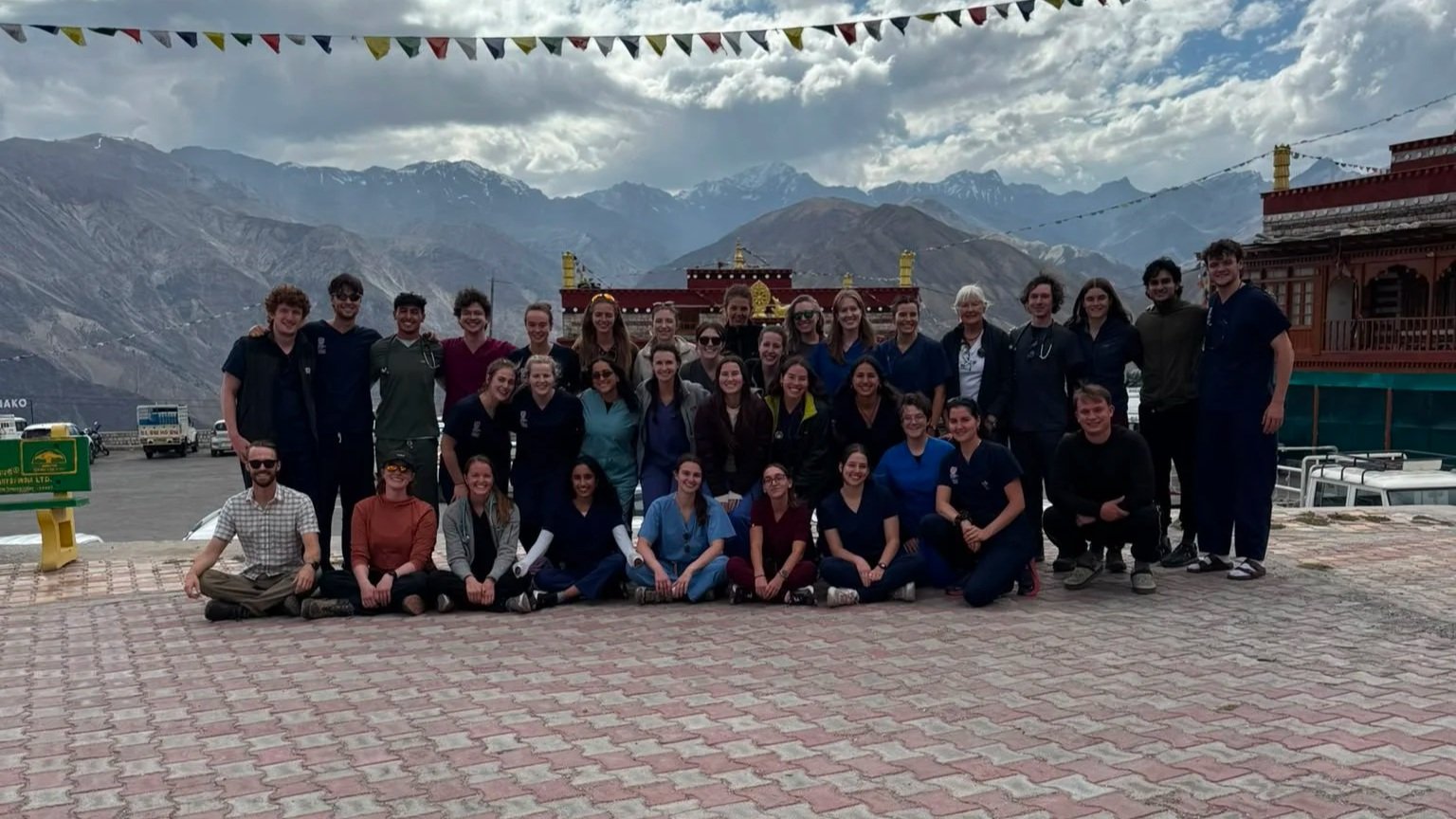
Anna and her team traveled across Spiti Valley to provide care in communities where geography can make healthcare difficult to reach.
With the support of the Megan Rand Scholarship, Anna Metzger, a Physician Associate student at the MGH Institute of Health Professions (now called Mass General Brigham University of Health Professions), traveled to the remote Spiti Valley in Himachal Pradesh, India, working with Himalayan Health Exchange. There, access to clinical care was limited and the realities of everyday life shaped every medical decision.
In the valley, communities of roughly 300 to 500 people are separated by mountains and drives of five to 11 hours. “I had never been anywhere where geography is such a major barrier to care,” Anna said. The experience helped shape the kind of Physician Associate Anna hopes to become.
A path toward underserved care
Anna grew up in Washington State as the youngest of five children. Although she had long been interested in medicine, her direction became clearer after college, when she worked at a methadone clinic serving people with opioid use disorder. “That was really the kicker for me, of why I wanted to get into medicine and what kind of populations I wanted to work with,” she said.
Her interest in underserved care continued through her work in rural Oregon. In primary care and dermatology settings, she saw how limited access can affect people in smaller communities, including a town of about 3,000 residents where her clinic periodically provided care.
Before entering the MGH Institute of Health Professions PA program, Anna had already learned about the Megan Rand Scholarship. She recognized it as an opportunity to pursue meaningful service in a new setting. The scholarship became one factor in her decision to attend MGH IHP.
Later, when she heard Jenny Smith speak about Megan and the purpose behind the scholarship, the opportunity took on a deeper meaning. “I knew early on it was a great travel opportunity,” Anna said. “But I did not understand the gravity of its purpose until her presentation.” The presentation was what ultimately inspired her to apply.
Clinics at high altitude
Anna chose the Spiti Valley placement because it brought together several of her interests: rural medicine, global health, outdoor and wilderness medicine, and the chance to work in a place vastly different from the communities she already knew.
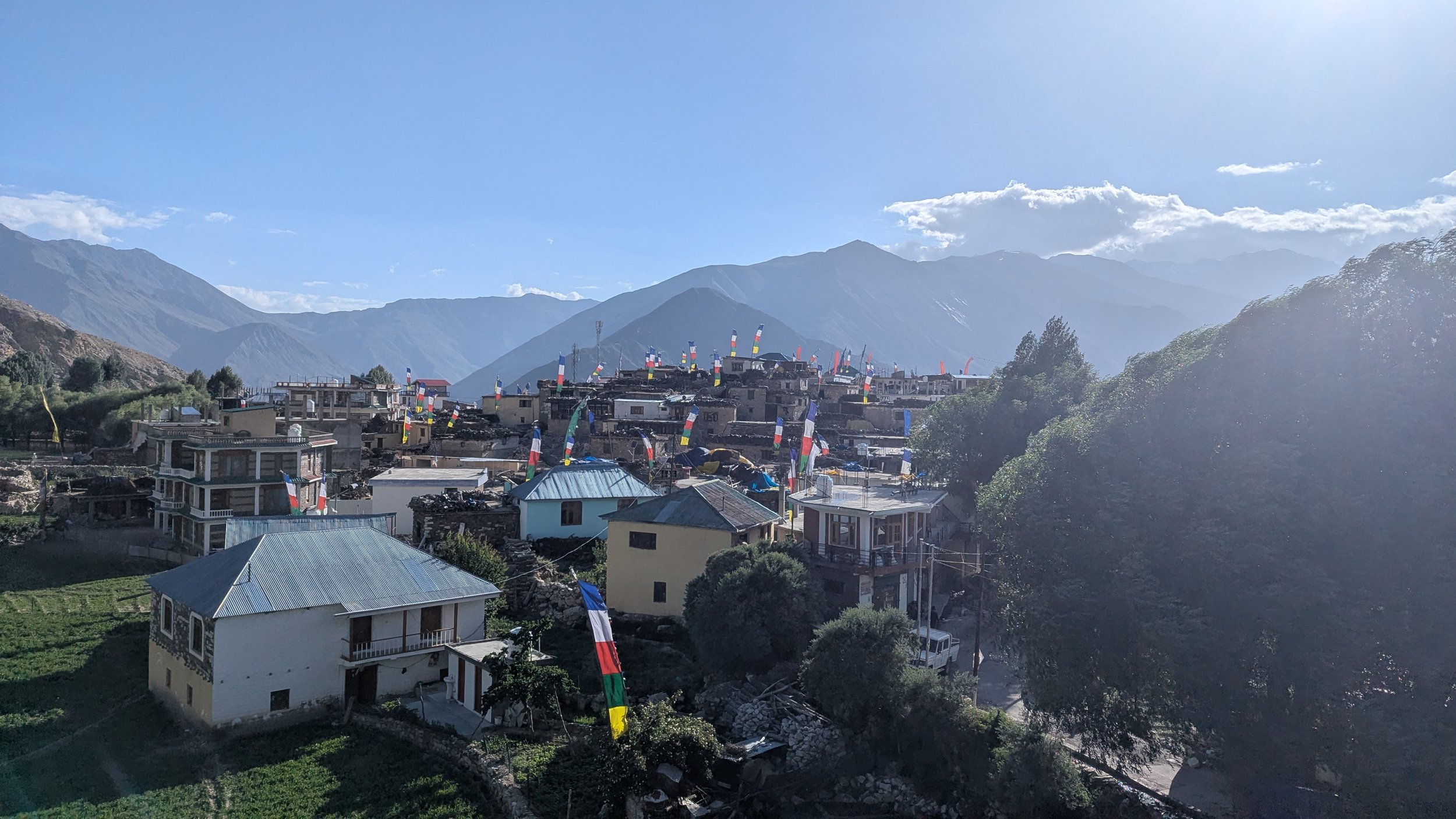
Small communities are separated by mountains and hours of travel from hospital-level care.
Himalayan Health Exchange, the organization that hosted the experience, was founded by a member of the Spiti Valley community who recognized that permanent clinicians were difficult to recruit to such isolated villages. The organization developed a rotating model that brings medical teams through the region, supported by local drivers, interpreters, staff members, and cultural guidance.
Anna’s work took place at elevations of approximately 12,000 to 15,000 feet. A typical day included community health talks, clinic setup, morning and afternoon patient care, and evening teaching. The team worked with limited diagnostic resources and a basic clinical supply of medications, including antibiotics, antihistamines, eye drops, analgesics, and vitamins.
Care shaped by altitude and distance
They saw patients with eye pain and vision changes, joint and lower-back pain, acute musculoskeletal injuries, hypertension, type II diabetes, and symptoms requiring evaluation for tuberculosis, among other concerns. Chronic high-altitude living, physically demanding labor, intense ultraviolet exposure, and the challenges of farming and manual work all influenced the health needs Anna encountered.
Many clinics were held in Buddhist monasteries. That setting required the team to adapt their approach. Local norms around modesty shaped what could happen in a shared clinical space; even a basic knee exam might need to wait until a private area could be found.
Language posed another challenge. The region includes diverse dialects, and a conversation could sometimes pass through an interpreter, family members, and the patient before a single question or answer was understood.
The process required patience and humility, but Anna found the communities remarkably warm and hospitable. “Everyone was so kind and welcoming of strangers,” she said. “Even through the language barrier, they were very good at making us feel comfortable there.”
When resources are limited
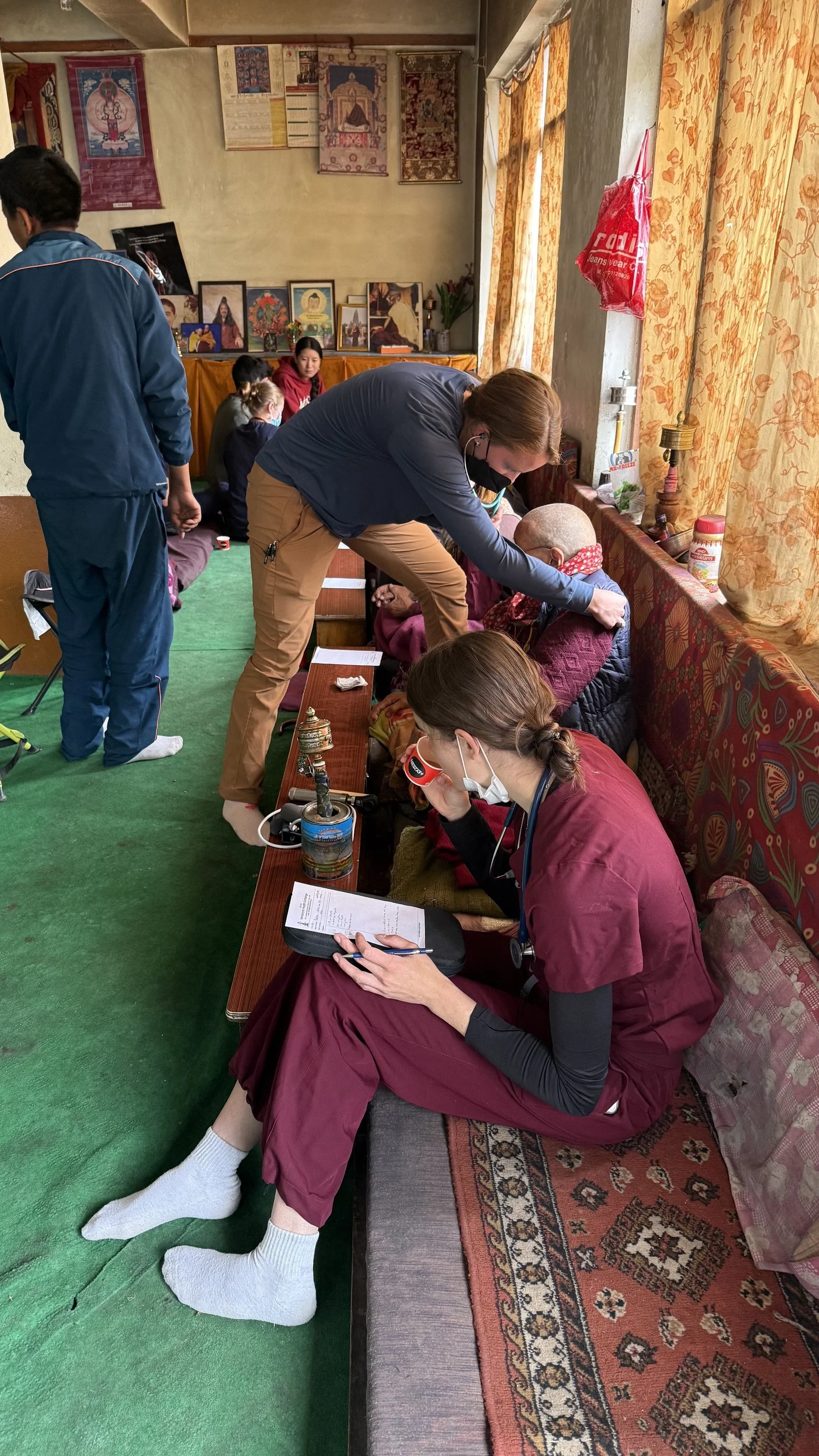
Anna and her team adapted care to meet patients where they were, often outside a traditional clinical setting.
For Anna, one of the hardest parts of the experience was recognizing the limits of what a visiting clinic could provide. In one town, a local clinician could help coordinate laboratory testing and continued care. But that support did not reach every community. For some patients who needed hospital-level care, the next step could involve an 11-hour drive.
The challenge was understanding what a patient could realistically do. In Boston, where Anna trained amid extensive clinical resources, the threshold for telling a patient to go to the hospital can be relatively straightforward. In Spiti Valley, that decision carried far greater practical consequences.
The team adapted. “There was a lot of thinking on the fly,” Anna said. When treatment options were limited, they focused on education: explaining warning signs, helping patients understand when they needed to make the journey for higher-level care, and working with interpreters to provide written instructions patients could take home.
The experience strengthened her confidence in working through uncertainty and making the best possible decisions with the resources at hand. It also reinforced something fundamental for Anna: clinical care can mean offering guidance, making time for a conversation, or helping someone feel seen, not just providing an intervention.
“Under different circumstances I could have given more to them medically,” Anna said. “But they also needed someone to listen, and I could be there with them.”
Carrying the experience forward
“This was one of the best experiences I’ve had in my life.”
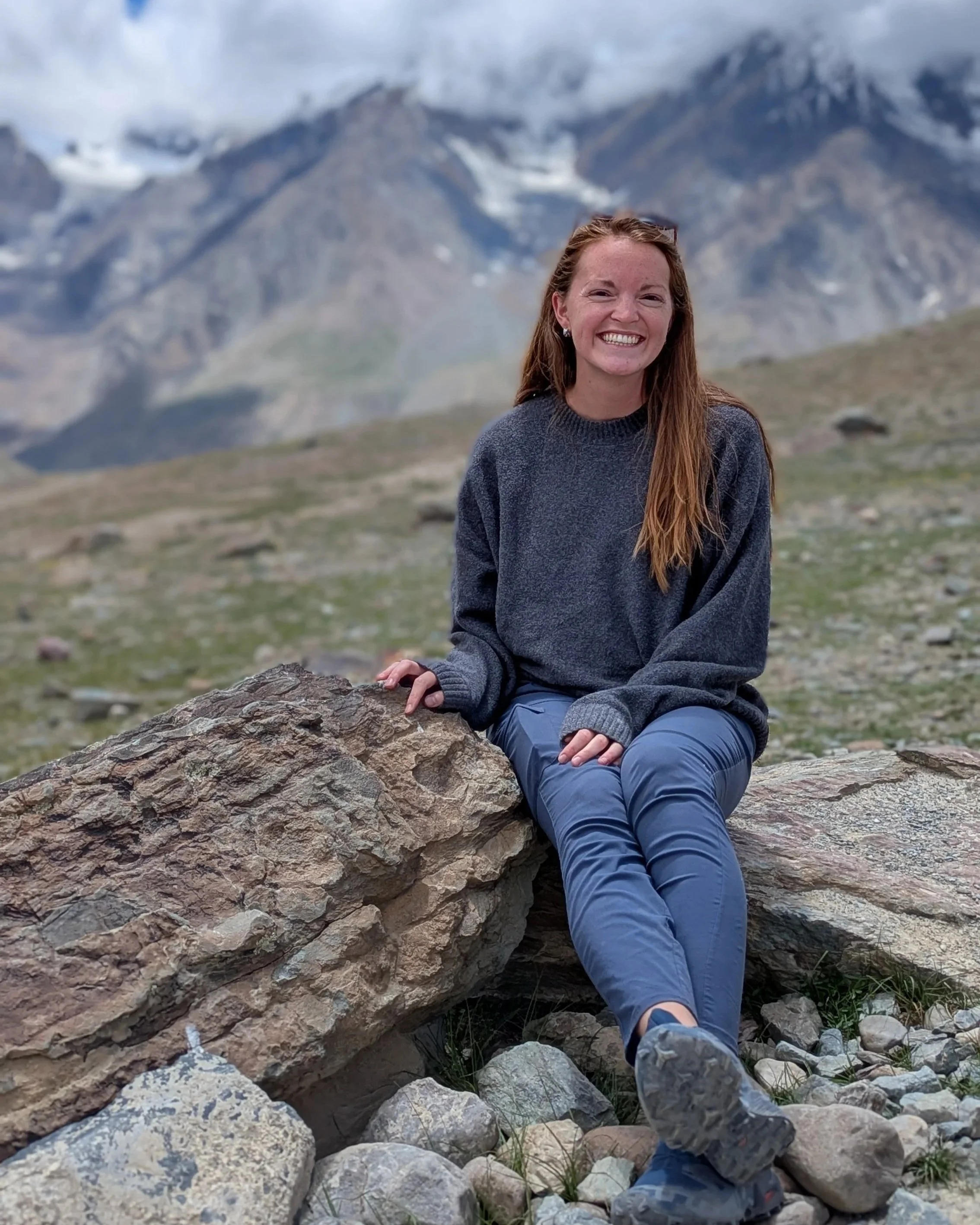
The experience strengthened Anna’s commitment to bringing thoughtful, accessible care to underserved communities, at home and abroad.
The rotation’s clinical, cultural, and logistical lessons broadened her understanding of what it means to practice in communities that have been underserved. “I definitely want to prioritize working with underserved populations,” she said.
She is now looking toward emergency medicine or a community health center, ideally in a setting that serves uninsured patients, immigrants, people living with addiction, and others navigating gaps in access to care.
Anna also sees global health broadly. For her, it includes future international service but also the work of expanding access for people close to home. “Global health can be local health in our community for people that just don’t have good access to healthcare,” she said. “That’s also uplifting underserved communities.”
Leaving things better
“I feel like I have an obligation now to leave things better than I found them.”
Before the rotation, Anna understood Megan Rand’s guiding principle through small acts of care: taking a few extra minutes to listen or finding a way to make someone’s day a little easier. In Spiti Valley, she saw how those actions could matter in communities where access to care is limited and every clinical encounter carries added weight.
The Megan Rand Scholarship reinforced Anna’s commitment to a career serving the patients and communities for whom thoughtful, accessible care can make the greatest difference.