
Ella Dehestani works with local team to provide airway surgical training and care in Guatemala
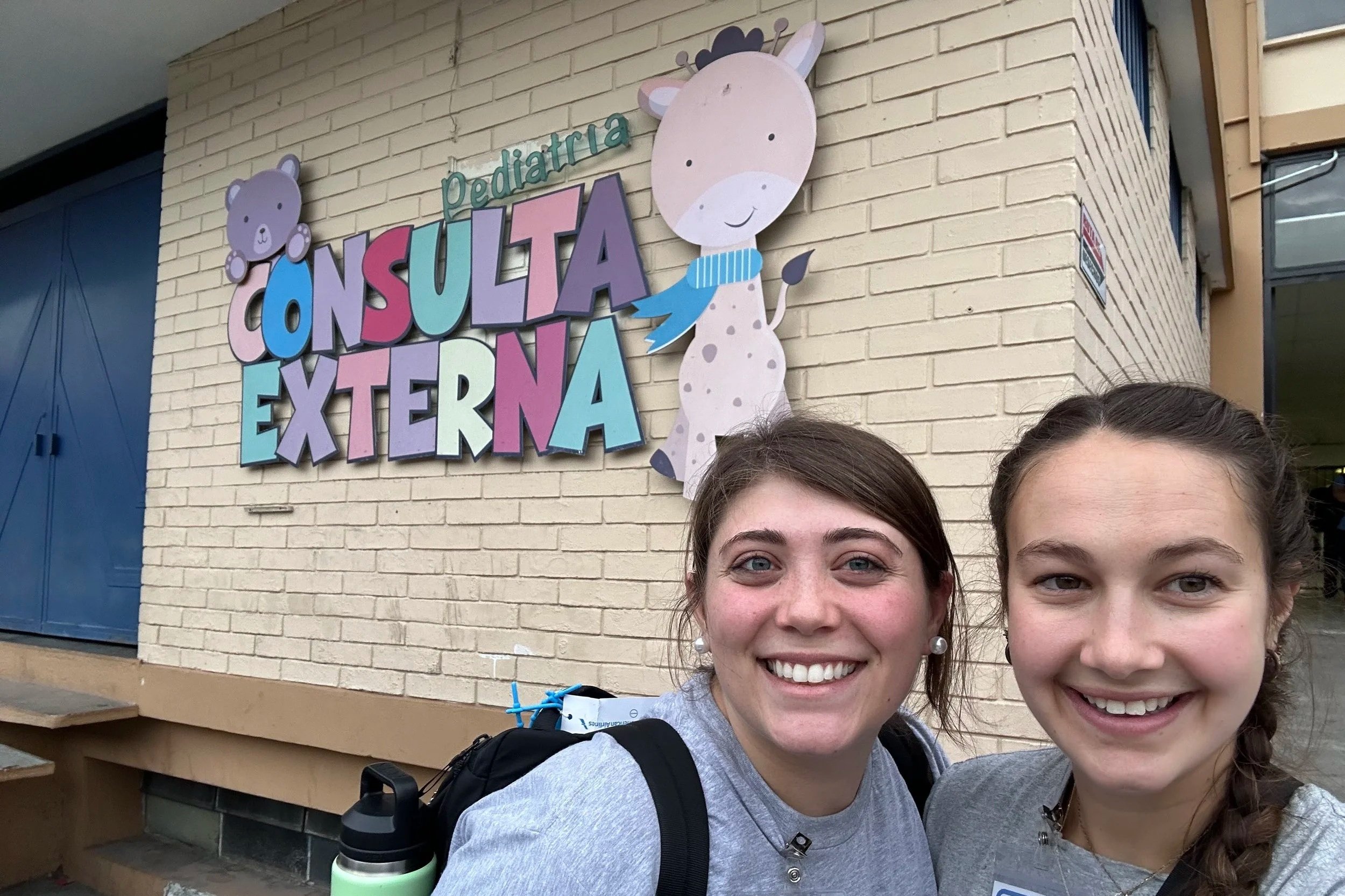
Ella Dehestani worked with local clinicians to care for children with airway abnormalities.
Ella Dehestani came to the Megan Rand Scholarship with a deep commitment to service, teaching, and patient care. Before becoming a PA, she had already spent years working in medicine and education. She saw the scholarship as an opportunity to step into a new surgical and cultural environment, one that would challenge her, widen her perspective, and deepen the kind of clinician she hoped to become.
A letter to Megan, and a first trip abroad
For Ella, the desire to serve abroad began before PA school. As the daughter of an Iranian immigrant, and as someone who had long hoped to travel outside the country for the first time, she carried a personal awareness of sacrifice, language barriers, and the value of opportunity. When Jenny (Rand) Smith spoke to her class about Megan’s life, the scholarship immediately felt personal.
Ella was especially moved by the sense that the scholarship was more than funding for travel. It was a chance to carry forward Megan’s compassion, curiosity, and commitment to leaving others better than she found them. Ella ultimately wrote her application as a letter to Megan, wanting to keep the purpose of the opportunity at the center of the experience from the very beginning.
Into Guatemala
Ella’s rotation took her to Guatemala with Operation Airway, which works with local clinicians to care for children with airway abnormalities. Many of the children they treated were living with tracheostomies or airway abnormalities that required multiple reconstructive surgeries. These conditions can be managed more readily in highly resourced hospitals, but become far more difficult for families in under-resourced settings.
The scholarship made the experience possible in a very practical way. Ella spoke openly about the financial barriers she had faced throughout her education, including long commutes, limited resources, and the challenge of attending PA school without being able to work regularly. The scholarship covered flights, housing, and related costs, allowing her to participate in a clinical opportunity she otherwise could not have afforded.
Practicing medicine without a shared language
In Guatemala, Ella entered a clinical environment that required her to depend on observation, adaptability, and trust. Interpreters were limited, and much of the day-to-day work demanded quick communication across language differences. She learned how much clinicians rely not only on spoken language, but also on body language, repetition, and a close reading of the people around them.
She also had to adjust her understanding of what safe, dignified care looks like when resources are constrained. Procedures such as sterilization, suctioning, and surgical preparation did not always look the same as they did in Boston. Ella came to see that the local team was working with extraordinary skill and seriousness within the limits of what was available. She learned to respect those differences and meet people where they were.
Building confidence and surgical capacity together
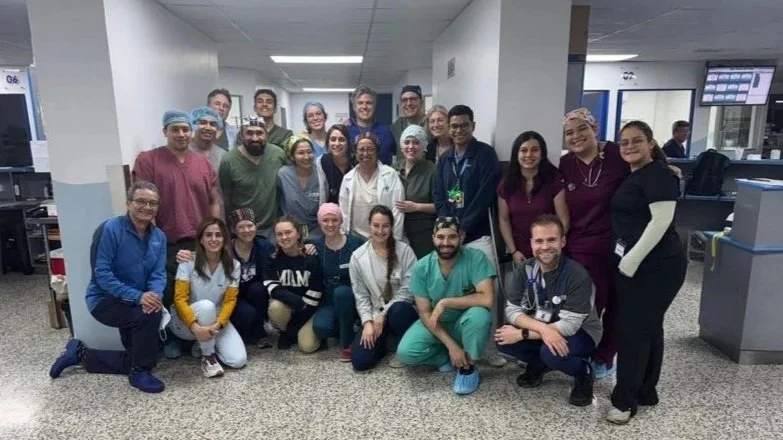
Ella was impressed and moved by the extraordinary skill of the local team working within the limits of what was available.
One of the moments that stayed with Ella most happened during a pediatric emergency.
A local nurse originally hesitated to allow Ella to help obtain labs when a child coded. But after spending days carefully observing the local team’s workflow, she felt confident in her ability to work with the team.
Through a translator, Ella said, “I’ve watched you all week. Don't worry. I've got it,” and the nurse worked with her to obtain the labs. The child had a positive outcome in the end.
After that moment, Ella felt the work dynamic change: “That one ounce of trust really changed the week.”
Ella also helped local clinicians build skills that would remain long after her visiting team returned home. Guatemalan surgical residents learned new airway techniques and began performing them with their own team. For Ella, that was one of the clearest expressions of sustainable impact: not only caring for children in the moment, but helping equip local clinicians to continue that care in their own community.
New perspectives on contexts for care
“The Megan Rand Scholarship gave me the chance to step into a different world of care in Guatemala. It changed the way I think about language, resourcefulness, and what it means to truly meet people where they are.”
Ella Dehestani, MPAS, PA-C
Back at home, Ella spoke about the openness she witnessed among families in Guatemala: parents supporting one another, sharing food, and caring for each other’s children in ways that felt deeply communal. That model of connection stayed with her, and it helped inspire changes in how she thinks about family support, mentorship, and community inside the clinical settings she knows in the United States.
Today, Ella Marie Dehestani, MPAS, PA-C, is an internal medicine PA fellow at Brigham and Women’s Hospital. She continues to carry the experience forward through patient care, mentorship, and education, including work with immigrant students and aspiring PA and medical students. Looking back, her advice to future applicants reflects both courage and purpose: “Be brave enough to try something that you haven’t done before.”