
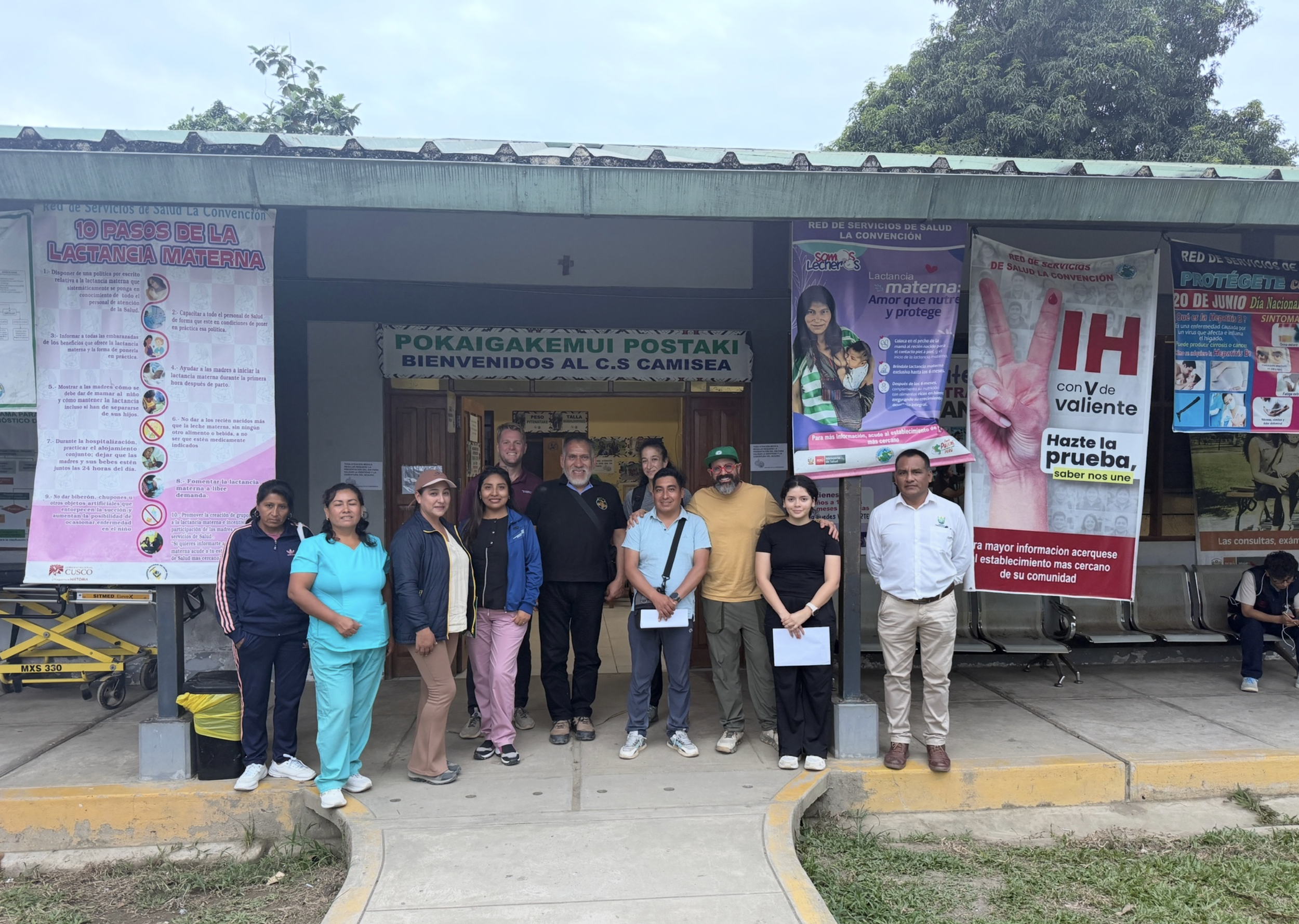
Hannah worked alongside Peruvian clinicians who understood their communities and guided her contributions to patient care.
Hannah Michael found her calling in medicine while working at a Chicago clinic that provided mental health and primary care services to asylum seekers. With a background in languages and social services, she wanted to build on that work by learning to provide clinical care.
“Oh, this is for me,” Hannah recalls thinking while working at the clinic. “This is everything.”
Hannah went on to enroll in the Physician Associate program at MGH Institute of Health Professions. Through the Megan Rand Scholarship, she later completed a four-week rotation in Peru, where she learned from local healthcare professionals and helped care for patients in Andean and Amazonian communities.
Megan’s example encouraged her to apply
Hannah had a longstanding interest in working abroad. Even so, an international rotation was not part of her plans for PA school. That changed when Professor Jenny Smith visited her class to introduce the scholarship and describe Megan’s commitment to serving underserved communities.
Hannah admired Megan’s initiative in arranging her own clinical experience at Everest Base Camp. She also identified with Megan’s varied career and life experiences before becoming a PA. Having changed careers herself, Hannah felt encouraged by Megan's example of continuing to pursue her interests at different stages of life.
“It sparked that in me,” she says. “I was like, ‘Why not? I can do this.’”
Learning from Peruvian healthcare professionals
Hannah arranged her rotation through FNE International and its Peruvian partner, Asociación Wiñaypaq Pro Desarrollo Humano. She spent much of the four weeks with Dr. Francisco Morales, whose relationships with staff at remote health centers allowed her to visit and learn in several communities.
For one week in the Amazon, Hannah joined a team that included Peruvian physicians, a dentist, and a midwife. Throughout the rotation, she worked within the Peruvian healthcare system and learned from professionals who cared for local patients every day.
Hannah approached the rotation as an opportunity to learn from local professionals and contribute under their guidance. “You tell me what you know, you tell me what you need, and I’ll do it,” she says of her approach.
Local clinicians guided her learning and helped her apply her training in unfamiliar settings. Hannah particularly valued their knowledge of the communities they served and their experience managing the limited resources available to them.
Providing care across different cultures
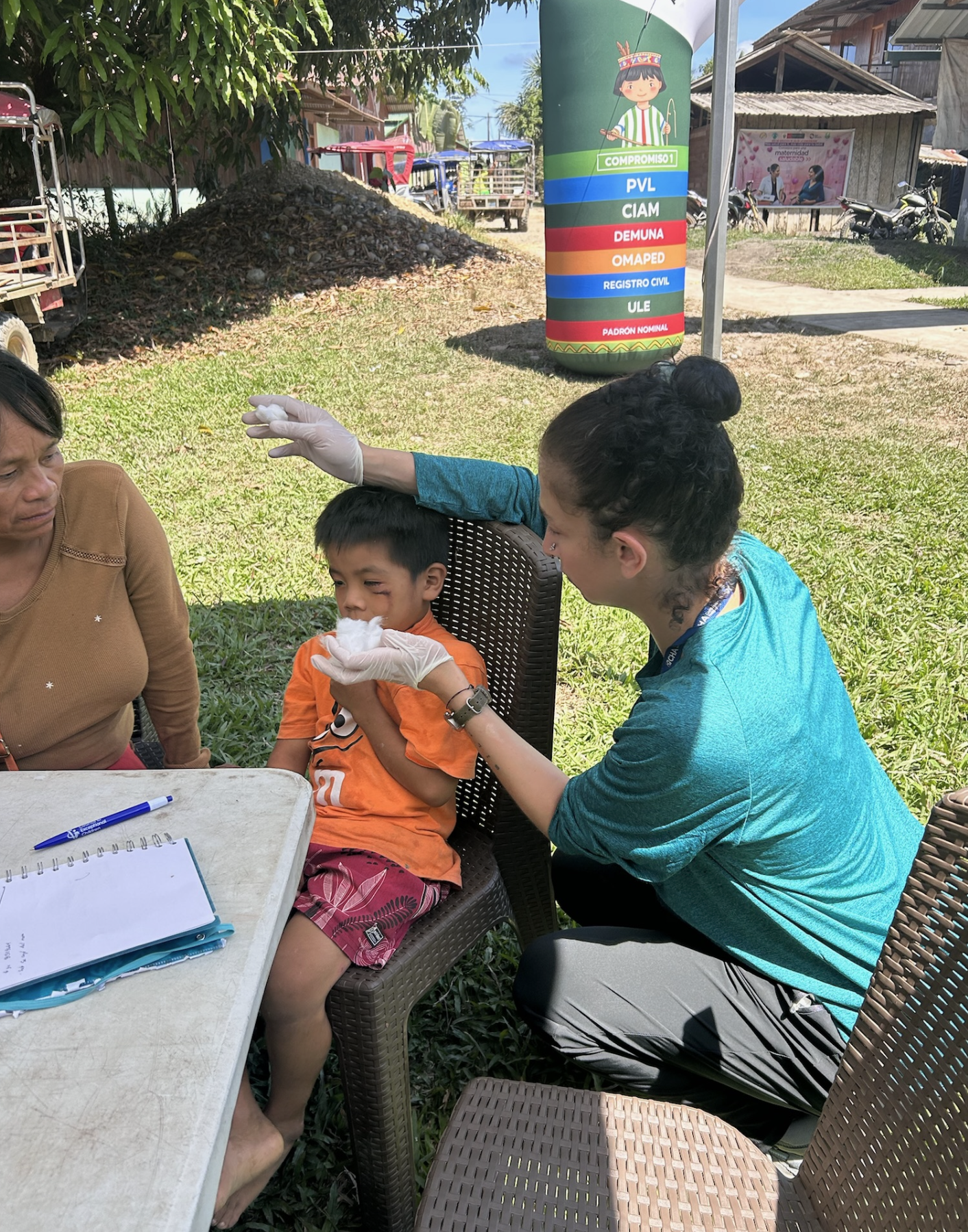
Hannah gained experience caring for children in communities where geography and transportation can limit access to services.
Traveling between the Andes and the Amazon allowed Hannah to see how geography, language, and local conditions shaped patients’ needs. Alongside the clinical teams, she participated in preventive care, visits focused on older adults, and school-based checkups.
In the Andes, many older patients spoke Quechua rather than Spanish, and a native Quechua-speaking interpreter helped the team communicate with them. Patients often sought help for arthritis and back pain after years of agricultural work, and Dr. Morales made supporting older adults a particular focus of his practice.
In the Amazon, the team saw younger patients with concerns that included skin conditions, infections, and injuries from motorcycle falls. Providers also described communication challenges when they did not speak their patients’ Indigenous languages.
Transportation costs and family responsibilities also affected patients’ access to care. During Hannah’s visit, budget cuts prevented the municipality from sending boats to bring patients from more distant communities. Conversations with patients helped her understand how travel, accommodation, and caregiving arrangements could complicate plans to seek specialist treatment in a city.
Despite these challenges, Hannah also saw how Asociación Wiñaypaq & FNE International could help patients obtain specialist care. After the team identified an 11-year-old boy in the Amazon with a congenital heart defect, the organizations paid for him to undergo corrective surgery in Cusco.
Helping patients with everyday health needs
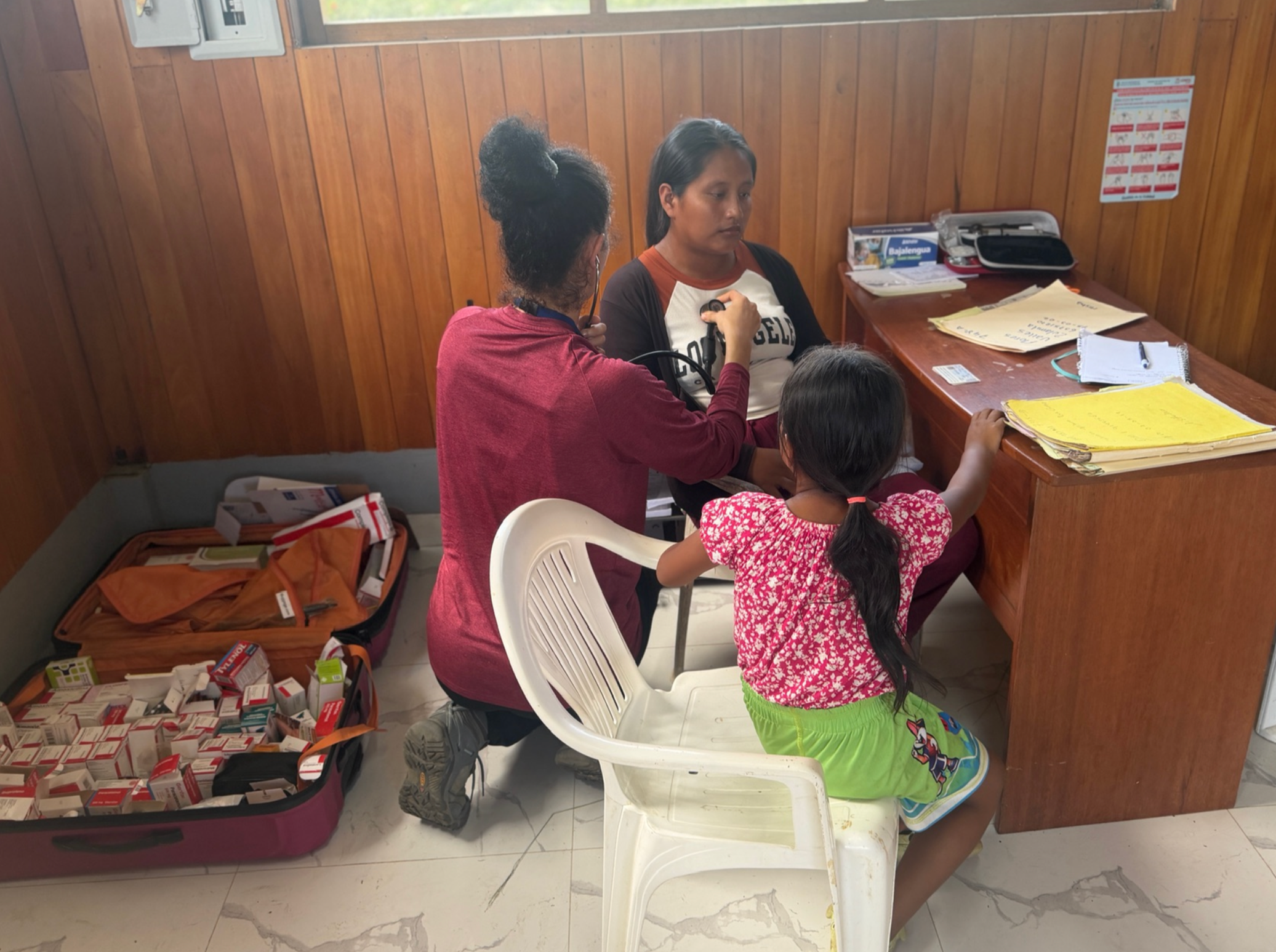
Conversations with patients helped Hannah understand how family responsibilities, travel costs, and local resources shaped their healthcare decisions.
Patients appreciated treatments that they could not easily obtain through their local health centers. The team supplied medications for bacterial eye infections, eye drops for dryness, and topical pain-relief gels for older adults with persistent joint and muscle pain.
Hannah worked alongside Dr. Morales to help patients manage these common health concerns. She learned how local clinicians selected treatments and provided care with the supplies available to them.
Supporting patients through education
Hannah also learned from watching local clinicians answer patients’ questions and explain health information. During one consultation, she worked alongside a physician who helped a mother understand her newborn’s spit-up and frequent bowel movements.
The physician explained that the behaviors concerning the mother were normal for the baby and discussed ways to manage spit-up. Hannah valued the example of helping a parent understand and care for her child.
Continuing her work in global health
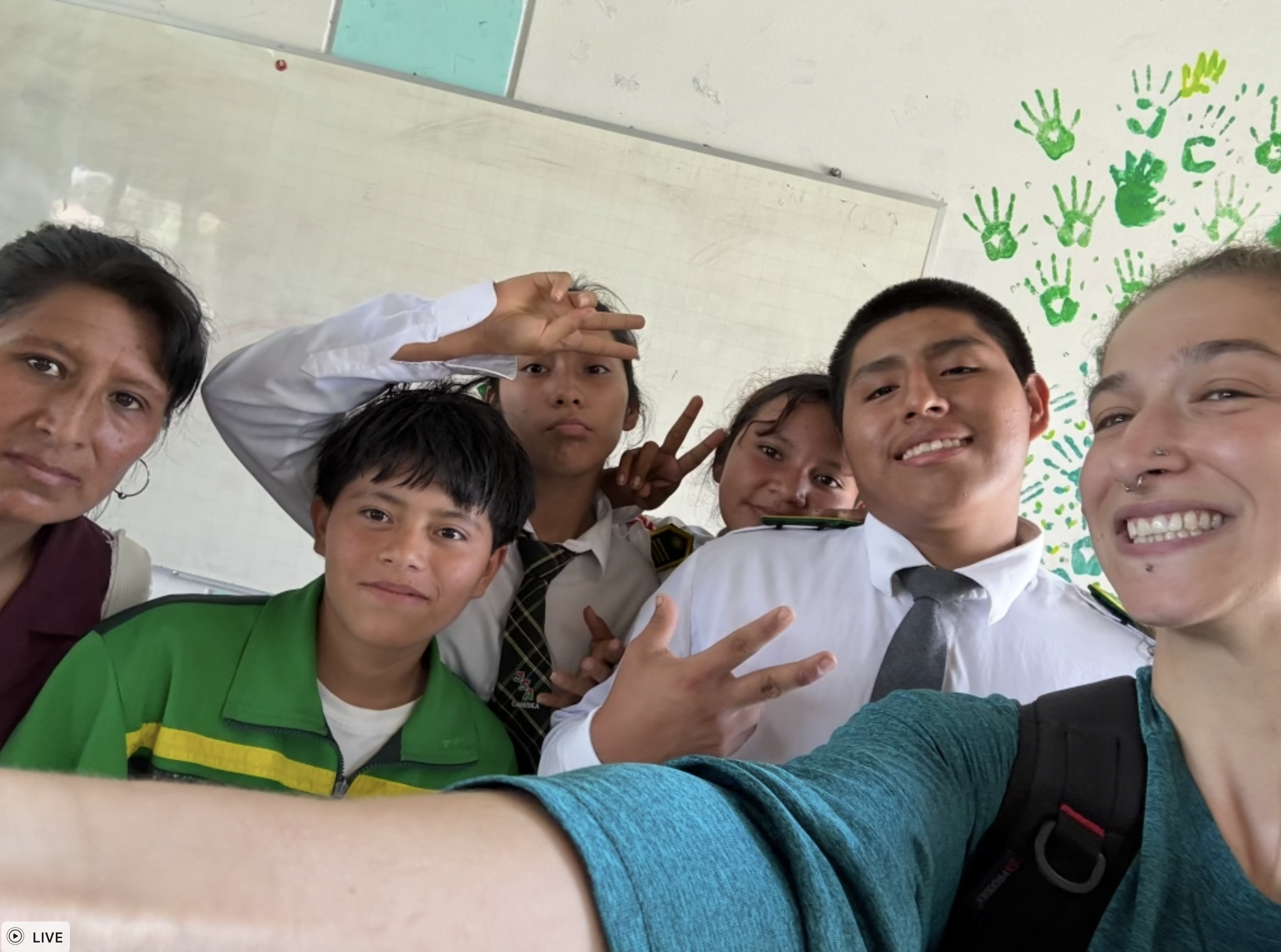
Hannah’s interest in language and culture helped motivate her to pursue global health, combining clinical care with opportunities to learn from the communities she served.
Today, Hannah wants to use her new clinical skills to support underserved communities while respecting the languages, traditions, and ways of life their members value. She believes that commitment is in the spirit of Megan’s philosophy of leaving places better than she found them.
Hannah now has professional connections in Peru and firsthand experience she can build on as she pursues these goals. She hopes to work with the group again in the future.
The Megan Rand Scholarship can help students develop clinical skills, learn from local healthcare professionals, and contribute to care in communities with limited access to services. Hannah encourages students who share her interest in global health to consider the scholarship, even if they feel uncertain about arranging an international rotation.