Megan’s Story
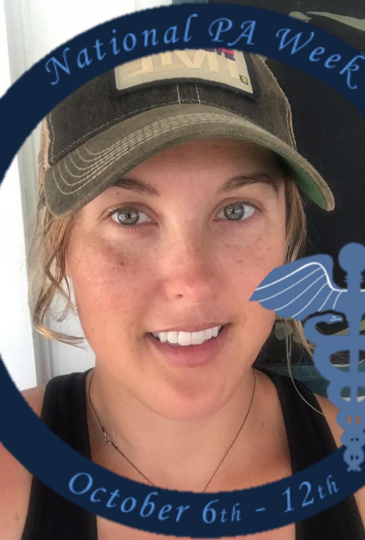
Megan Rand was a Physician Associate
She was also a wilderness medical clinician, a trauma surgery PA, a paramedic, and a traveler.
She was a daughter, a sister, a cousin, and a friend.
Megan was drawn to work in medically underserved communities, where providing care required initiative, resilience, and respect for patients. This is her story.
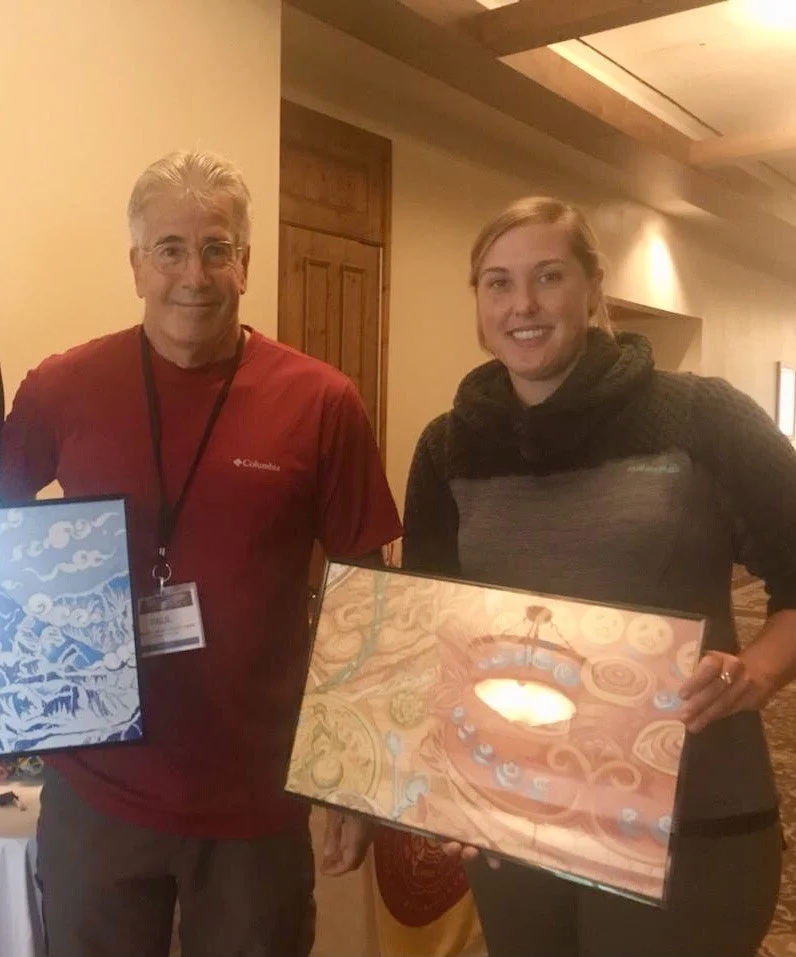
Megan Rand with WMS Co-founder Paul Auerbach, MS.
Challenging the status quo
Megan questioned the status quo from an early age. In high school in Seymour, Tennessee, she discovered her school had no girls' soccer team, so she started one. It's still active today.
She graduated as valedictorian of her high school class and became the first student from Seymour to attend Vanderbilt University. She majored in Neuroscience and graduated Summa Cum Laude.
After college, she moved back to Boston to pursue a career in medicine.
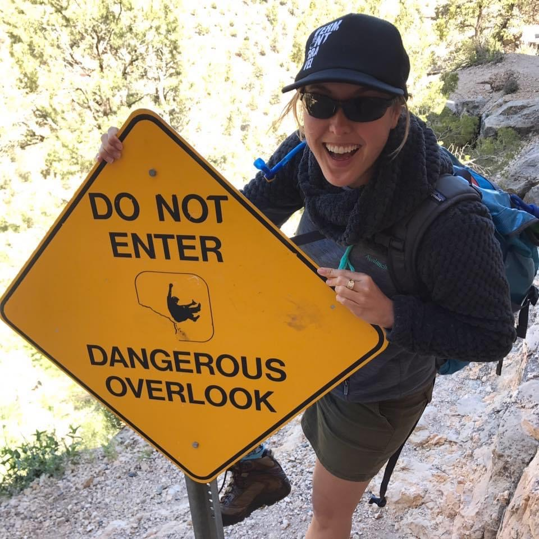
Megan Rand
Growing into a clinician
Megan worked as a paramedic and EMS instructor in Boston, building the judgment and calm under pressure that would define her later career.
She then joined Global Rescue, working on missions in Switzerland and Germany to stabilize injured travelers and traveling to Thailand to help launch a new office. The roles deepened her experience in resource-limited settings and reinforced her commitment to caring for people who needed it most.
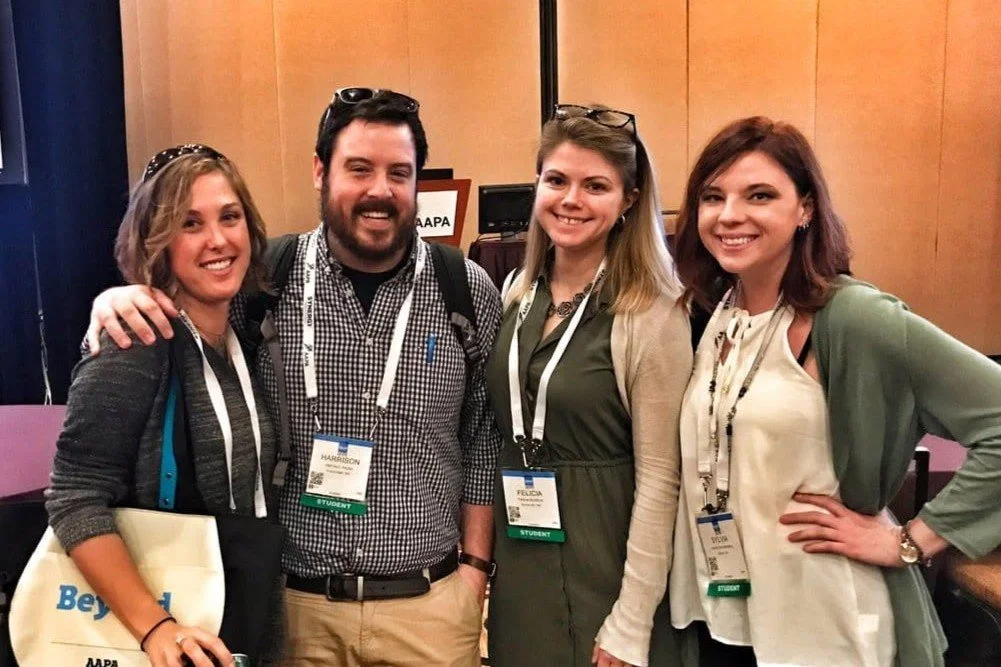
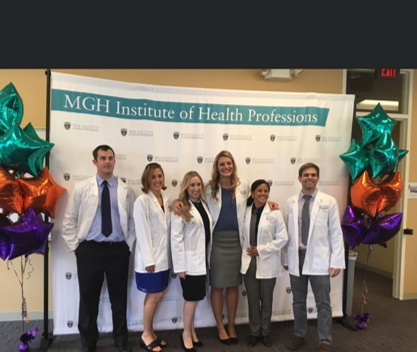
Megan and classmates from the MGH IHP PA Studies Program.
A bold clinical year
Megan enrolled at the MGH Institute of Health Professions (MGH IHP), now called Mass General Brigham University of Health Professions (MGBU), to become a PA. During her clinical year, she made a decision that would define much of her medical career and, later, become the inspiration for this scholarship.
Instead of pursuing clerkships at health centers nearby, Megan decided to arrange her own elective rotations to work with medically underserved communities in locations with fewer resources.
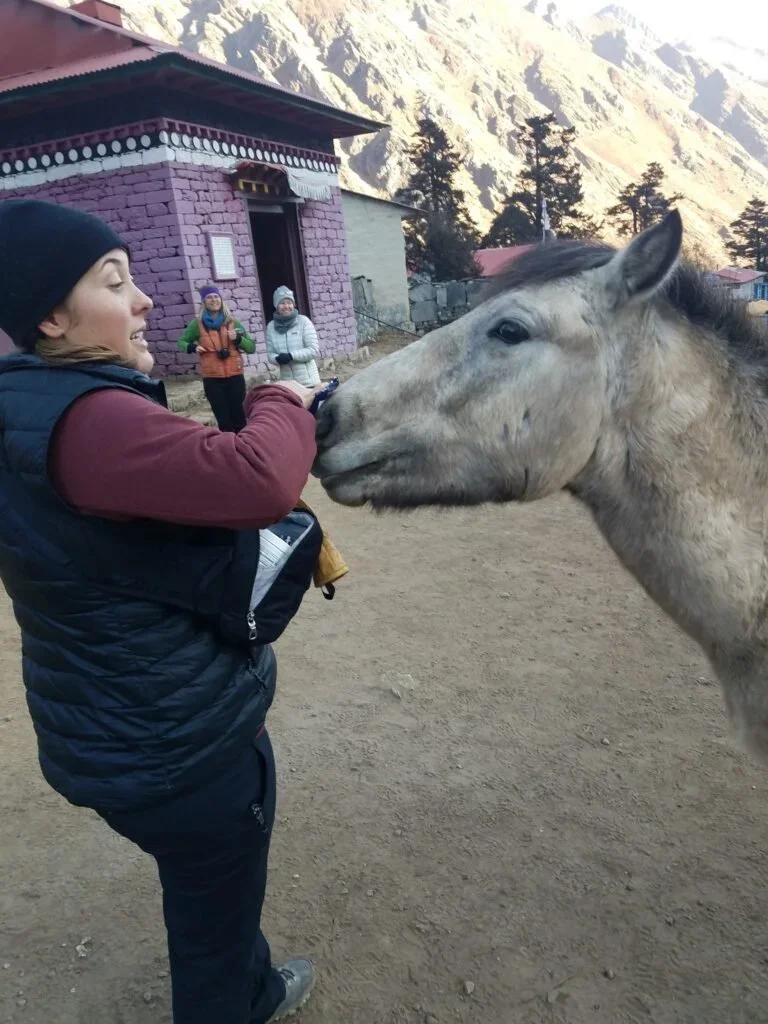
She completed a rotation at the Navajo Indian Reservation in Oklahoma. She also traveled to Nepal with the Wilderness Medical Society to work at the seasonal Everest ER clinic at Everest Base Camp, far from the support of a large medical center.
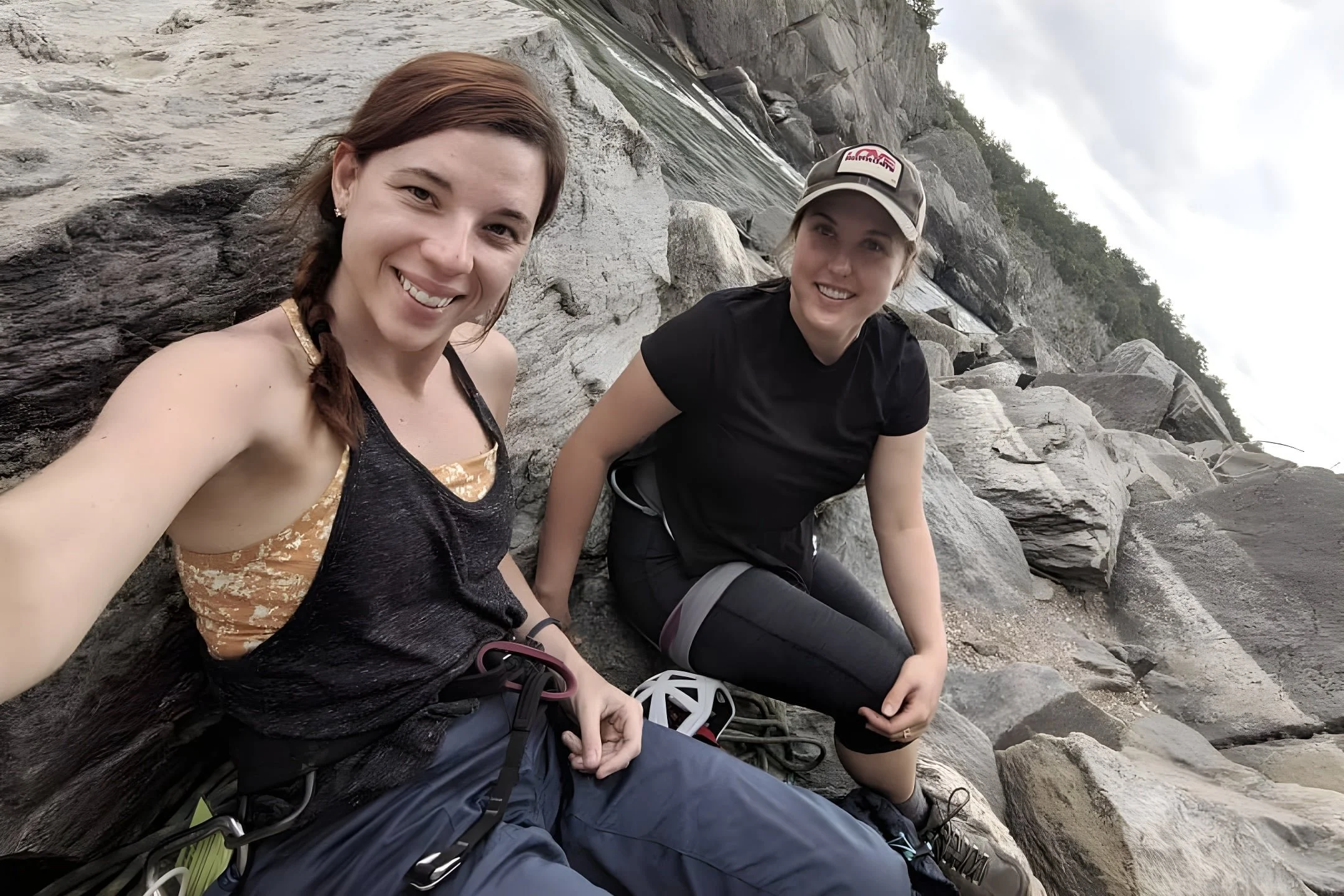
Sylvia Brandenberg with Megan Rand
A commitment to Nepal
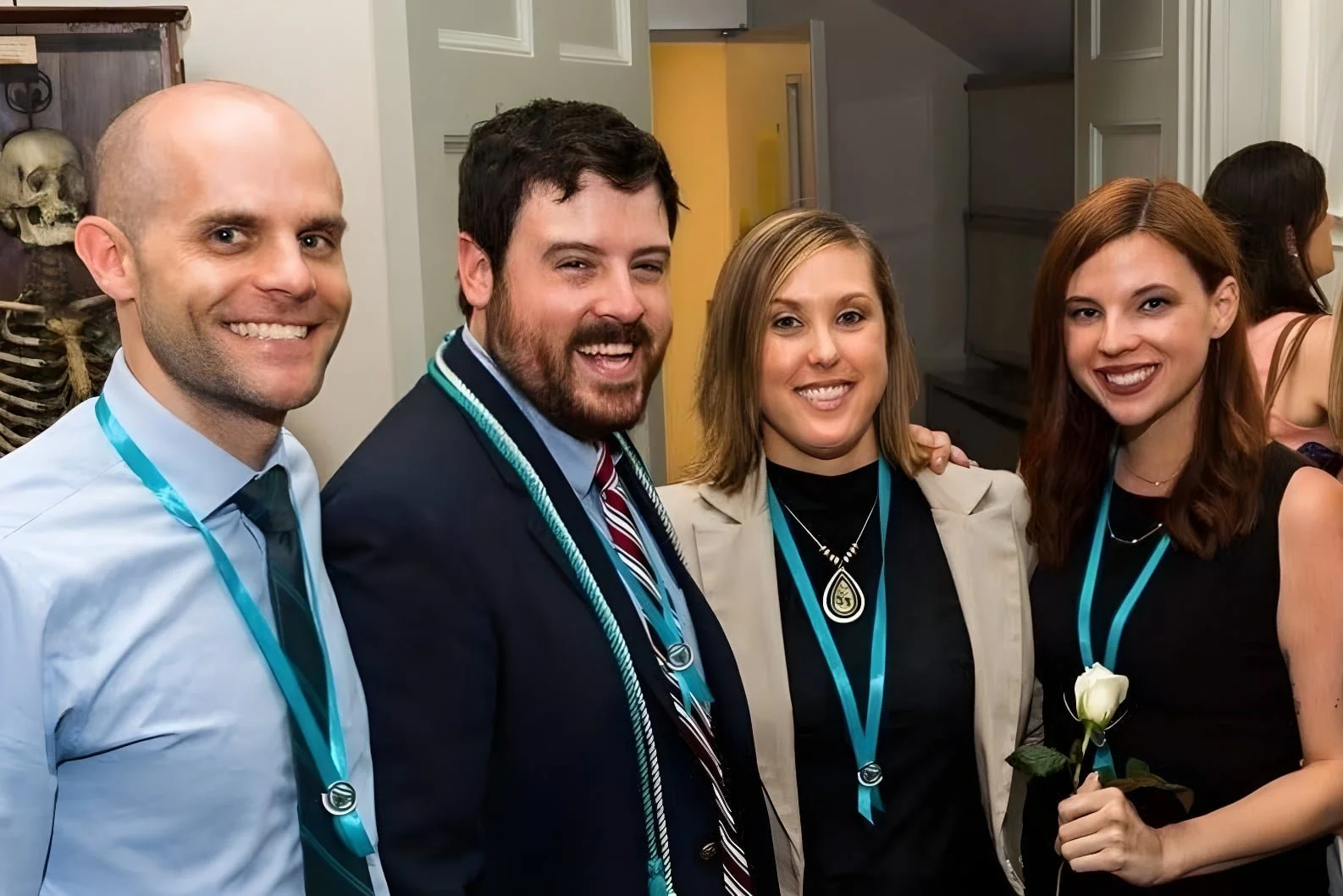
Megan and classmates from the MGH IHP PA Studies Program.
After graduating from IHP in 2017, Megan stayed connected to wilderness medicine through the Wilderness Medical Society, Everest ER, and Musa Masala, a nonprofit promoting safe and culturally aware mountain travel.
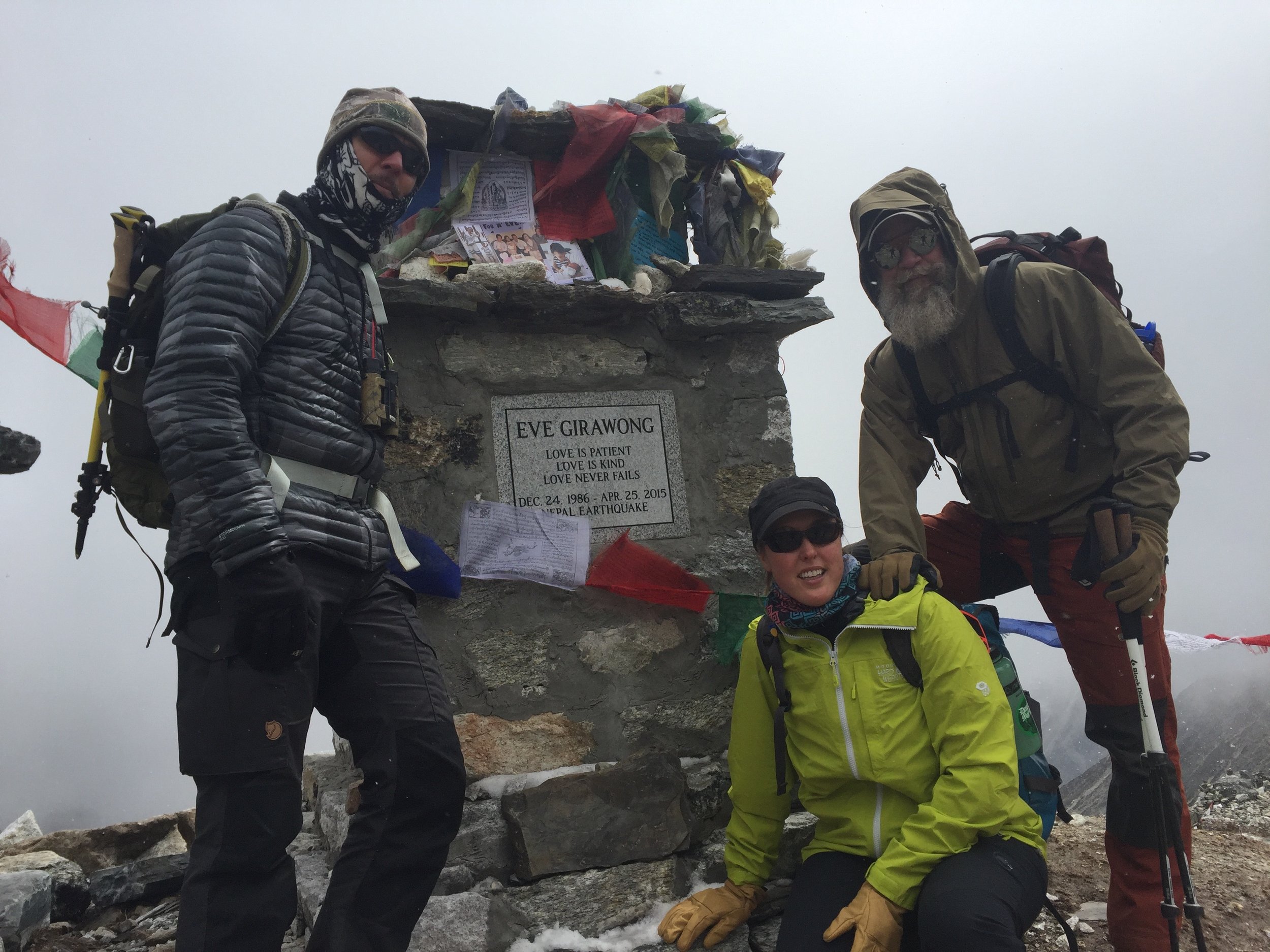
She trekked with friends to visit the Wongchhu Sherpa Memorial Hospital site, then still under construction in Nepal's lower Everest region. She was moved by the people she met there and committed herself to supporting the hospital's future patients.
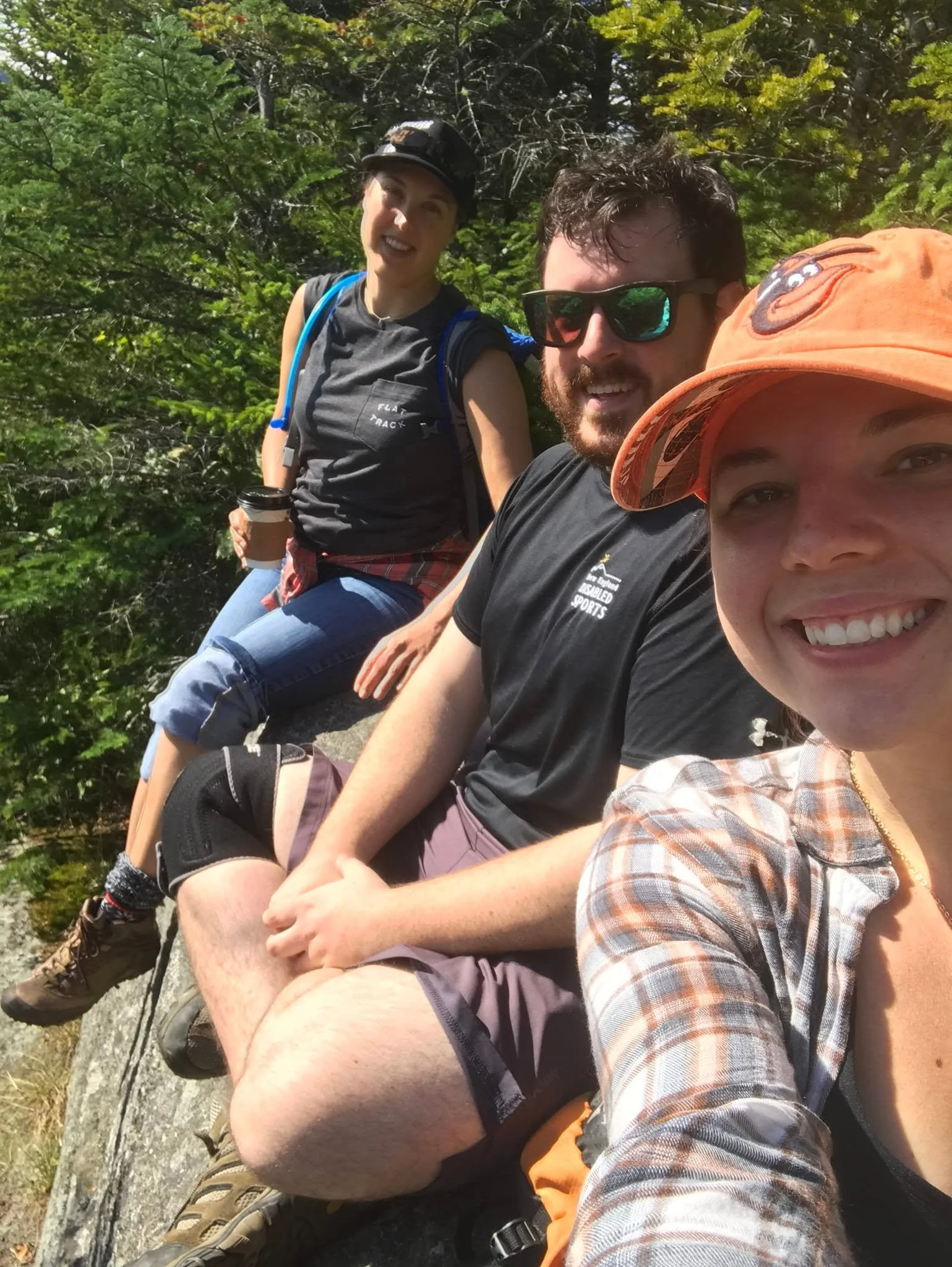
Megan worked with Michael McLaughlin, co-founder of Musa Masala, on that Wilderness Medical Society trek to the hospital site. She became an advocate for Musa Masala, distributing its book at IHP and helping plan a fundraising event in the White Mountains.
“Megan had such fire,” he said. He was repeatedly inspired by her drive to complete projects, enact change, and improve the lives of patients. McLaughlin even credited her for her ability to stay calm and act decisively during a crisis, such as when she saved the life of one of Michael’s friends by calling in a helicopter rescue.
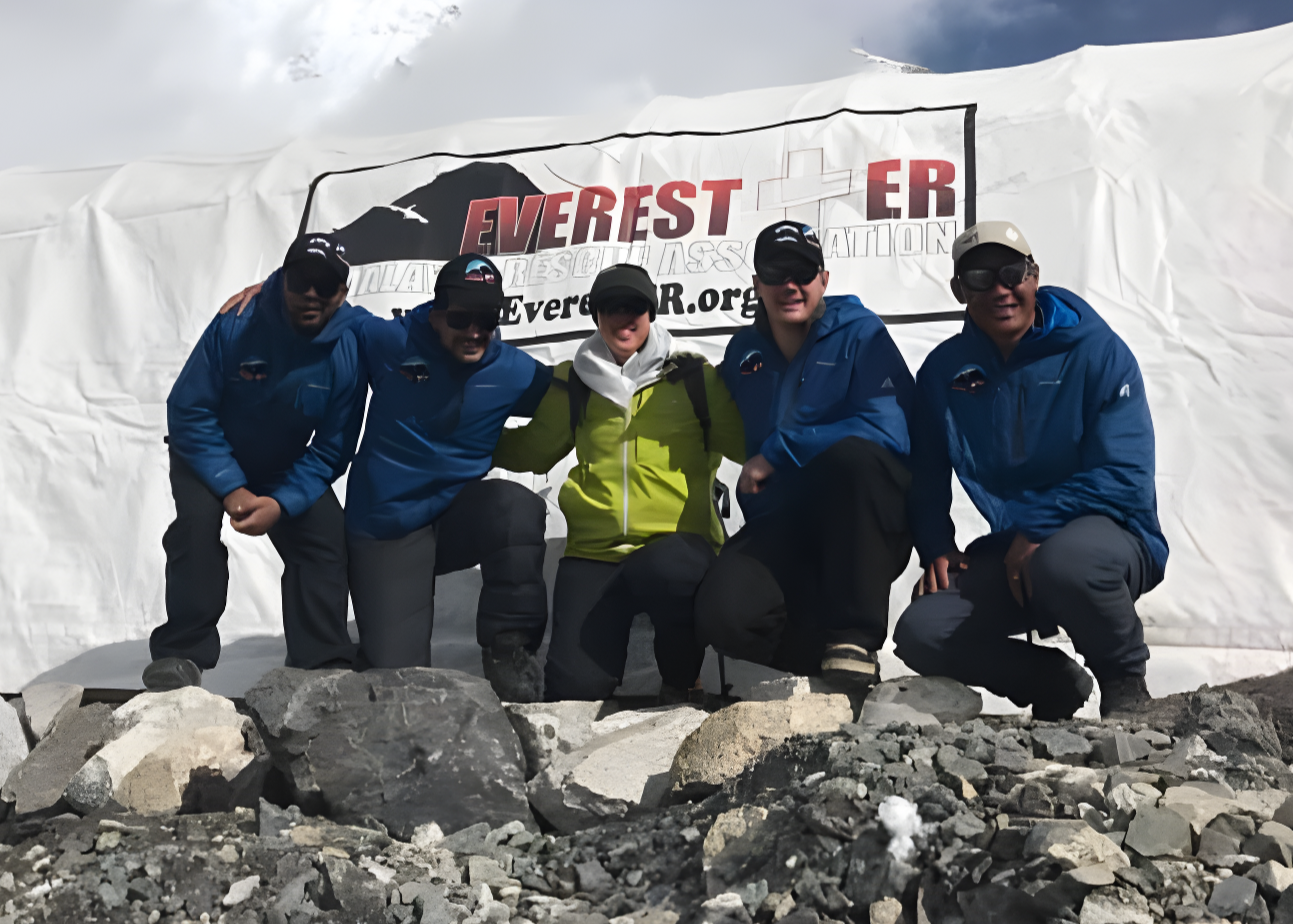
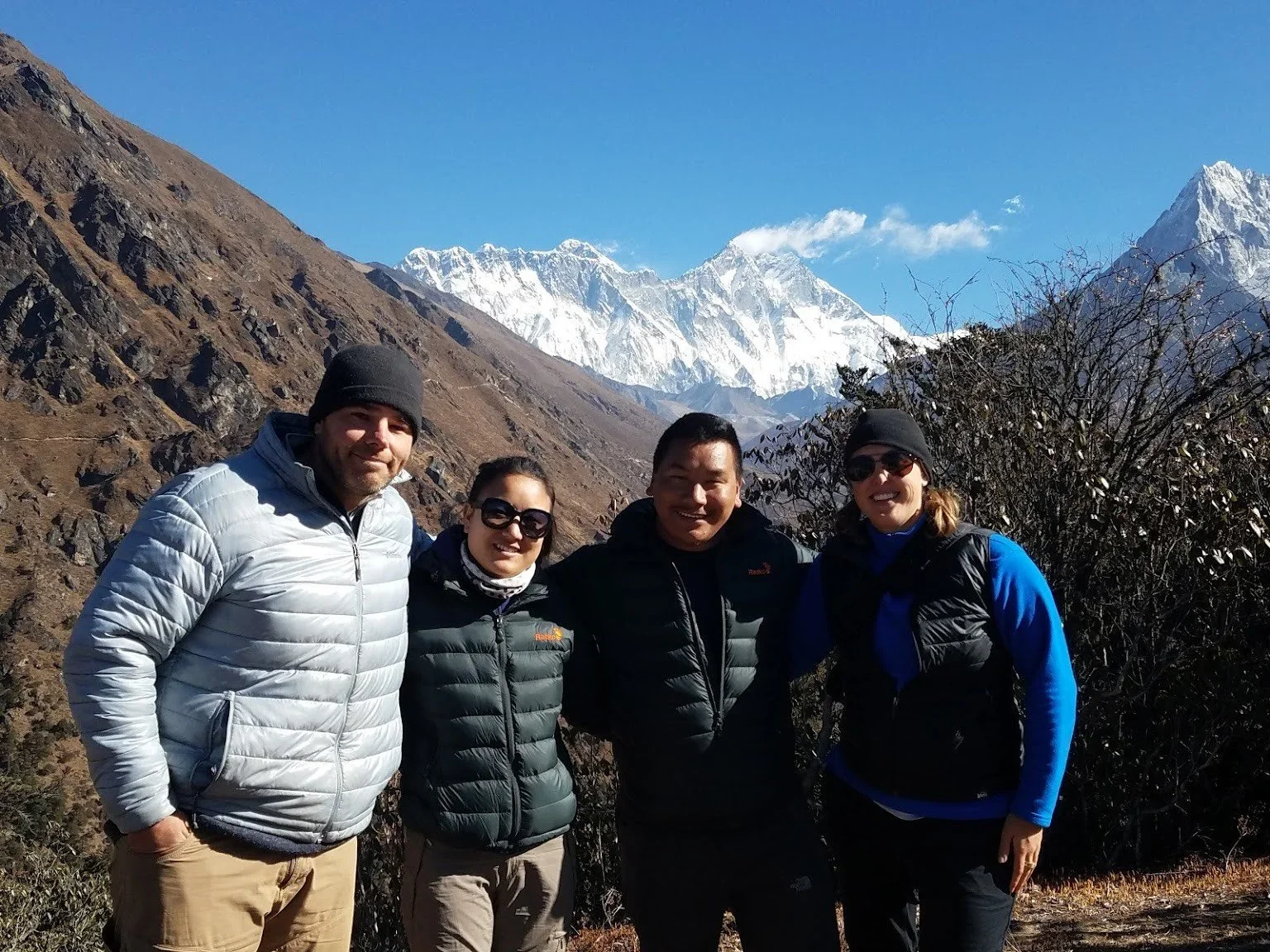
Megan with friends and colleagues on a trek to Everest ER.
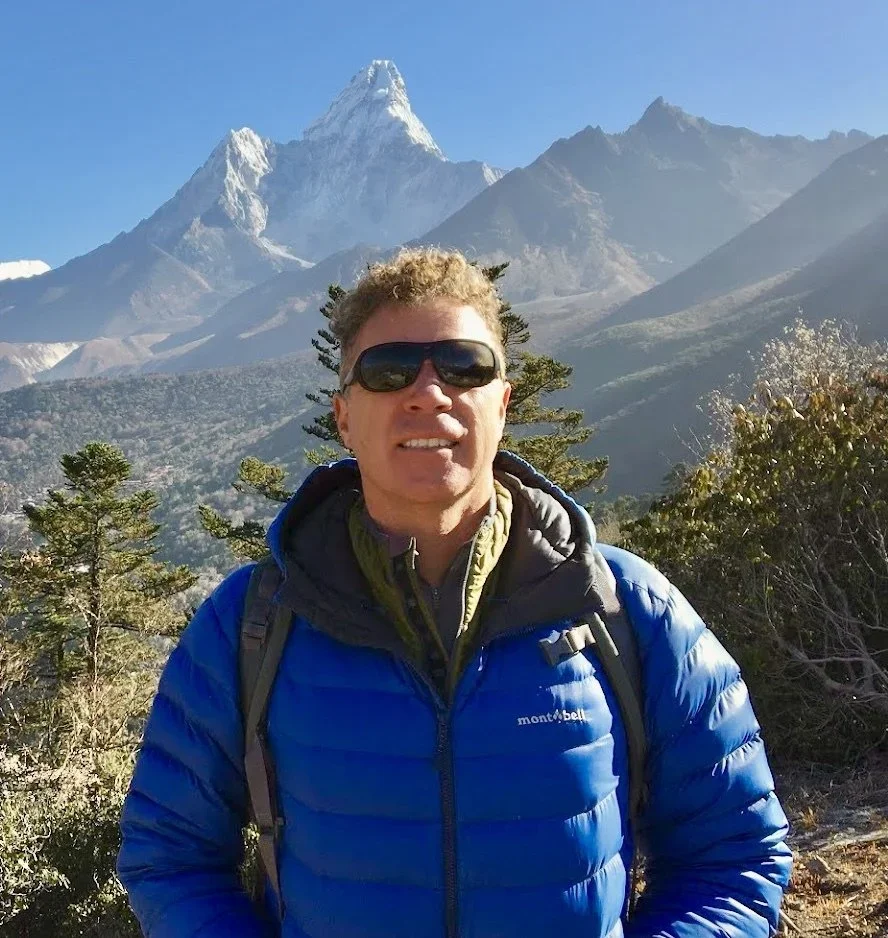
“I think that, through her background as a paramedic, Megan touched people in a way that helped her better understand humanity. You could see how human she was in her work, how much she cared.”
— Michael McLaughlin, Co-Founder of Musa Masala
Always drawn to a challenge
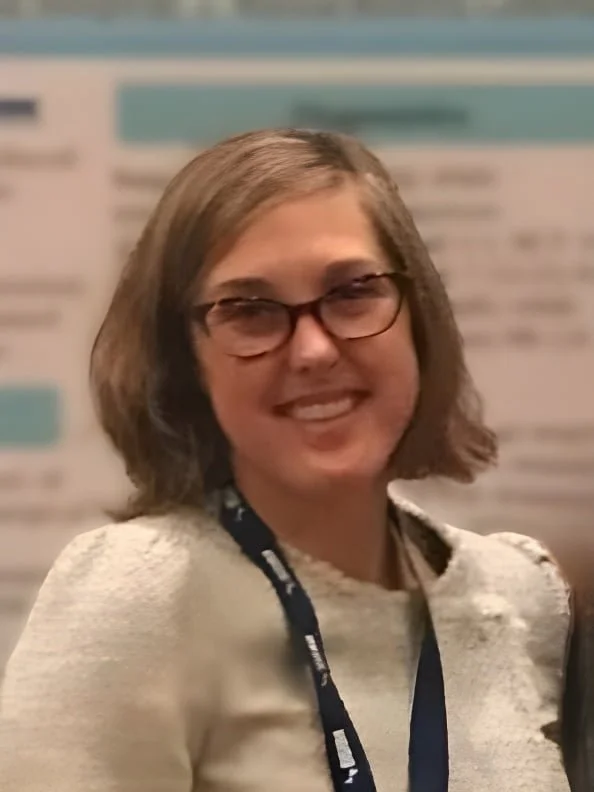
Megan Rand
As a PA, Megan worked in trauma surgery at Maine Medical Center and continued to step into challenging roles. They required focus, skill, and a willingness to take on difficult cases.
She was also drawn to medically underserved U.S. communities, working in remote settings and places with limited access to specialty care.
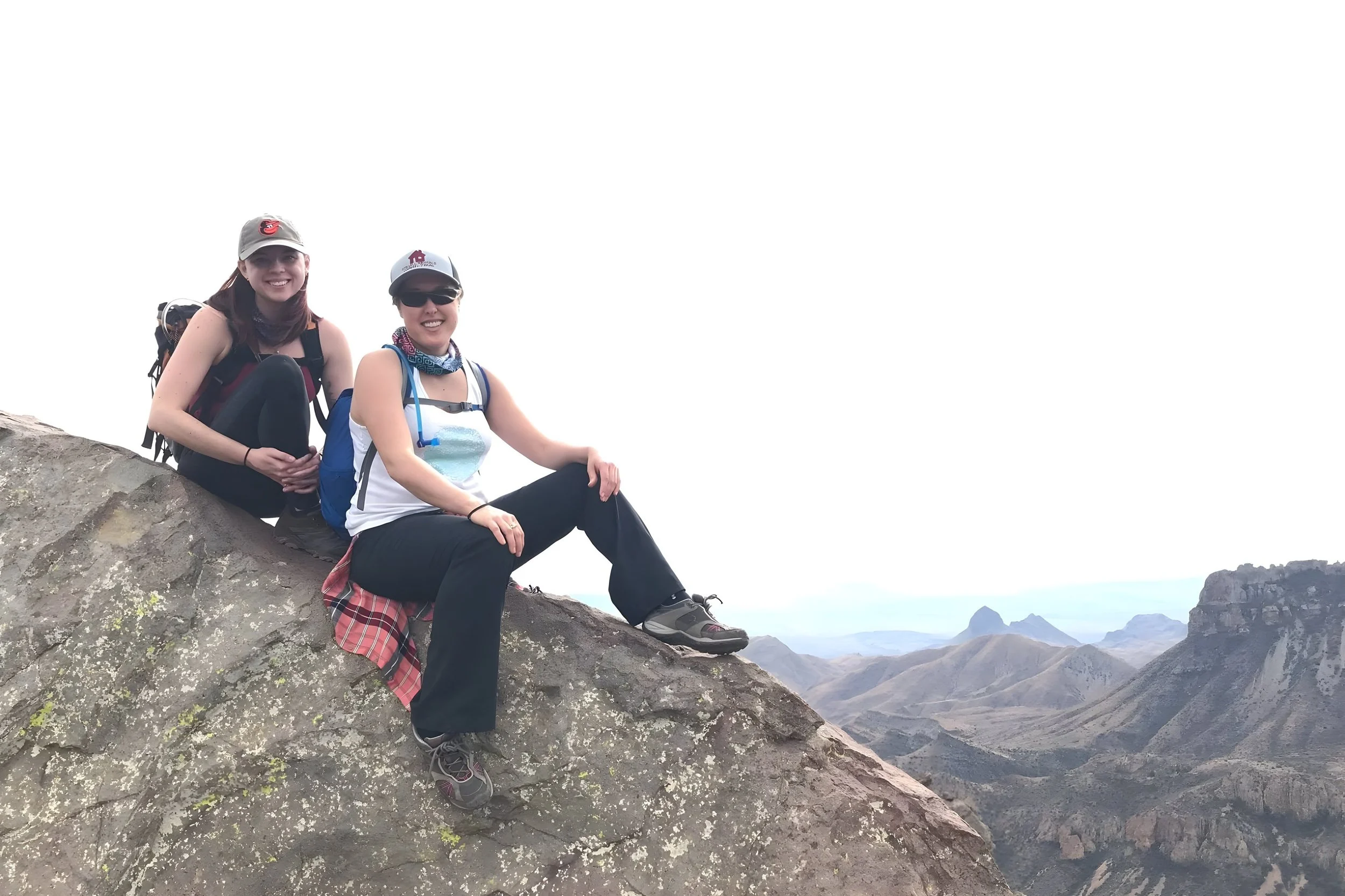
Whether she was in a hospital, on a rescue team, or in the mountains, Megan brought the same qualities to her work: steadiness, curiosity, humility, a commitment to service, and a dedication to patients.
Megan’s resilient journey
In 2021, Megan was diagnosed with Metastatic Non-Small Cell Lung Cancer (mNSCLC). She spent the next several months navigating different treatments, first with chemotherapy and then with the antibody therapy Rybrevant (Amivantamab). Throughout this time, she continued to share her extraordinary courage with her loved ones and the world.
When this new therapy didn't lead to the results that were hoped for, Megan transitioned to hospice care in January, 2022.
Her journey came to an end shortly thereafter. She was 39 years old.
Megan’s legacy continues
Today, Megan’s influence continues in the communities and organizations she cared about. In Nepal’s lower Everest region, her name is honored through the Megan Rand Memorial Laboratory at Wongchhu Sherpa Memorial Hospital, which brings essential diagnostic and inpatient care to villages that previously had none.
Closer to home, support given in her memory has helped equip wilderness rescue teams at the Transylvania Rescue Squad in Brevard, Tennessee, with PPE, cold weather gear, and other vital equipment. Additional gifts have supported hospice, children’s education and care, and organizations caring for veterans experiencing homelessness.
These commitments reflect the places and people she loved and carry on her spirit of service.
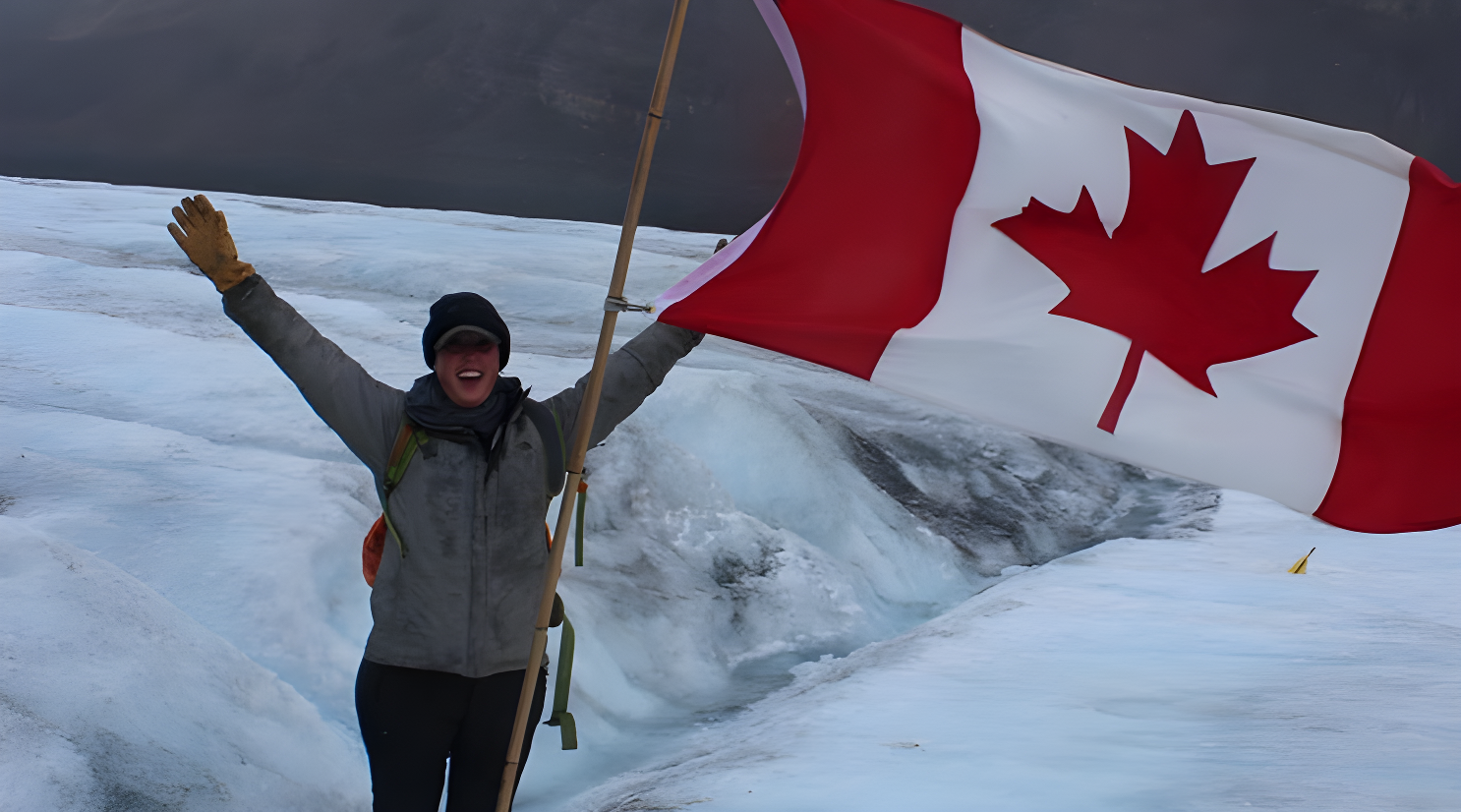
Megan Rand
Megan’s simple philosophy was:
“Always leave things better than you found them.”
It lives at the heart of the Megan Rand Scholarship.
By helping MGBU Physician Associate students pursue meaningful experiences they might not otherwise be able to afford, the scholarship carries Megan’s legacy forward through a new generation of clinicians prepared to serve with initiative, compassion, and purpose.
Fond Memories
We keep Megan close to our hearts as we continue her legacy.